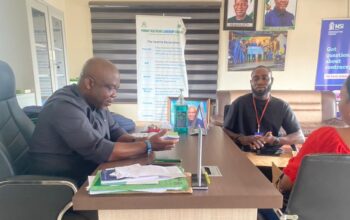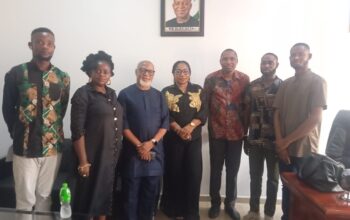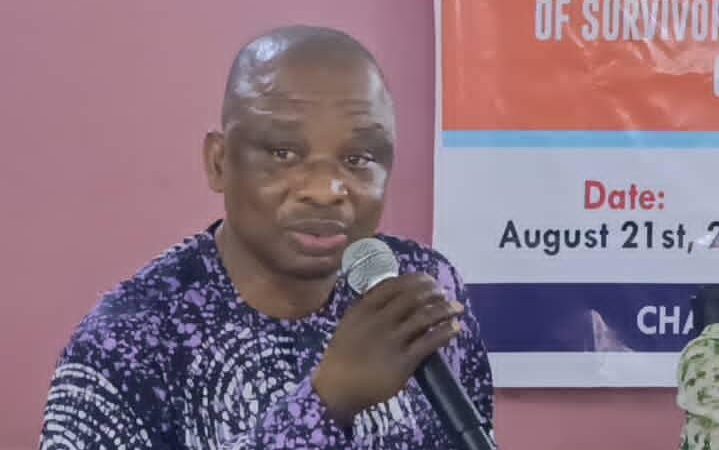

A two-day training and deployment of Community Rights Advocates aimed at expanding and integrating grievance and redress mechanisms to prevent abuse and gender-based violence among people living with HIV, tuberculosis patients, key populations and other vulnerable groups has ended in Umuahia, the Abia State capital.
The training, organised by the National Human Rights Commission, emphasised the protection and promotion of the rights of vulnerable populations.
Addressing participants during the training, the Abia State Coordinator of the National Human Rights Commission, Mrs. Uche Nwokocha, said the commission at both the state and federal levels is keenly interested in the activities of Community Rights Advocates who support people living with HIV/AIDS, tuberculosis and other key populations.
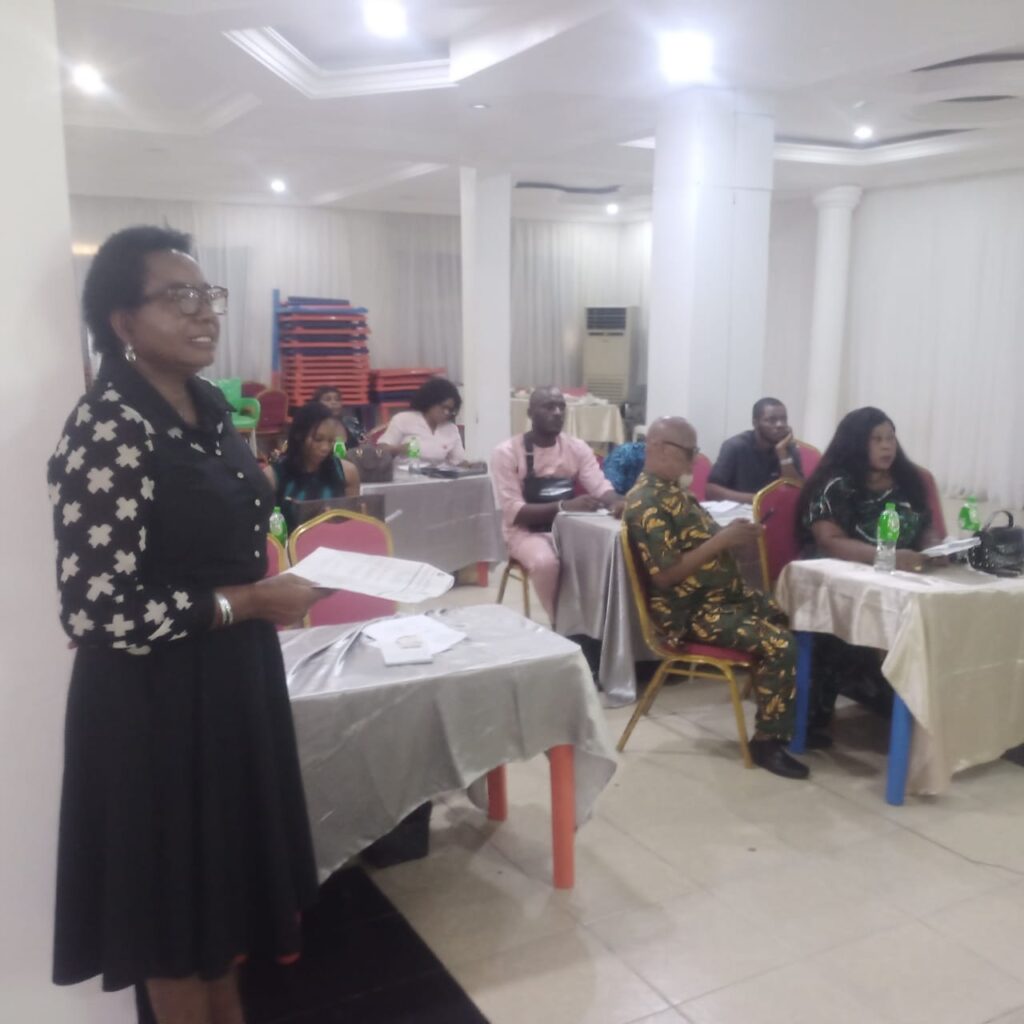
She assured that the commission remains committed to protecting, intervening and promoting the rights of people living with HIV/AIDS, tuberculosis and other vulnerable groups in line with its mandate.
Mrs. Nwokocha noted that many persons within these key populations often face abuse, neglect and criminalisation due to their lifestyles. She explained that the training and collaboration with Community Rights Advocates who work closely with the affected communities would help in reporting cases of abuse and rights violations to the commission for necessary action.
According to her, the nationwide programme, funded by the Global Fund, will also help build a reliable database that will guide Community Rights Advocates and enhance the effective discharge of their duties.
Speaking also, the Director General of the Abia State Agency for the Control of HIV/AIDS, Dr. Uloaku Ukaegbu, represented by the Head of Department, Monitoring and Evaluation, Mr. Ndubuisi Kanu, described the training as timely, noting that it would strengthen the various intervention programmes of the state government in HIV and tuberculosis response.
In his remarks, the State Programme and Monitoring and Evaluation Lead on the GC7 project for the Network of People Living with HIV/AIDS in Nigeria, Chief Whyte Ikocha, said the training and sensitisation represent a crucial step toward promoting justice and inclusion for people living with HIV/AIDS in Nigeria.
Chief Ikocha also stressed the need for states to domesticate anti-discrimination and anti-stigmatisation laws on HIV/AIDS to further protect the rights of affected persons.
Correspondent Ifeanyi Ogbonna reports that the interactive training was facilitated by the Greater Women Initiative for Health and Rights and the Synergy for Human Rights and Education, among other organisations working with key populations.