By Onyinyechi Obi
Society does not change because leaders make promises. It changes when those promises begin to take physical form in the lives of the people.
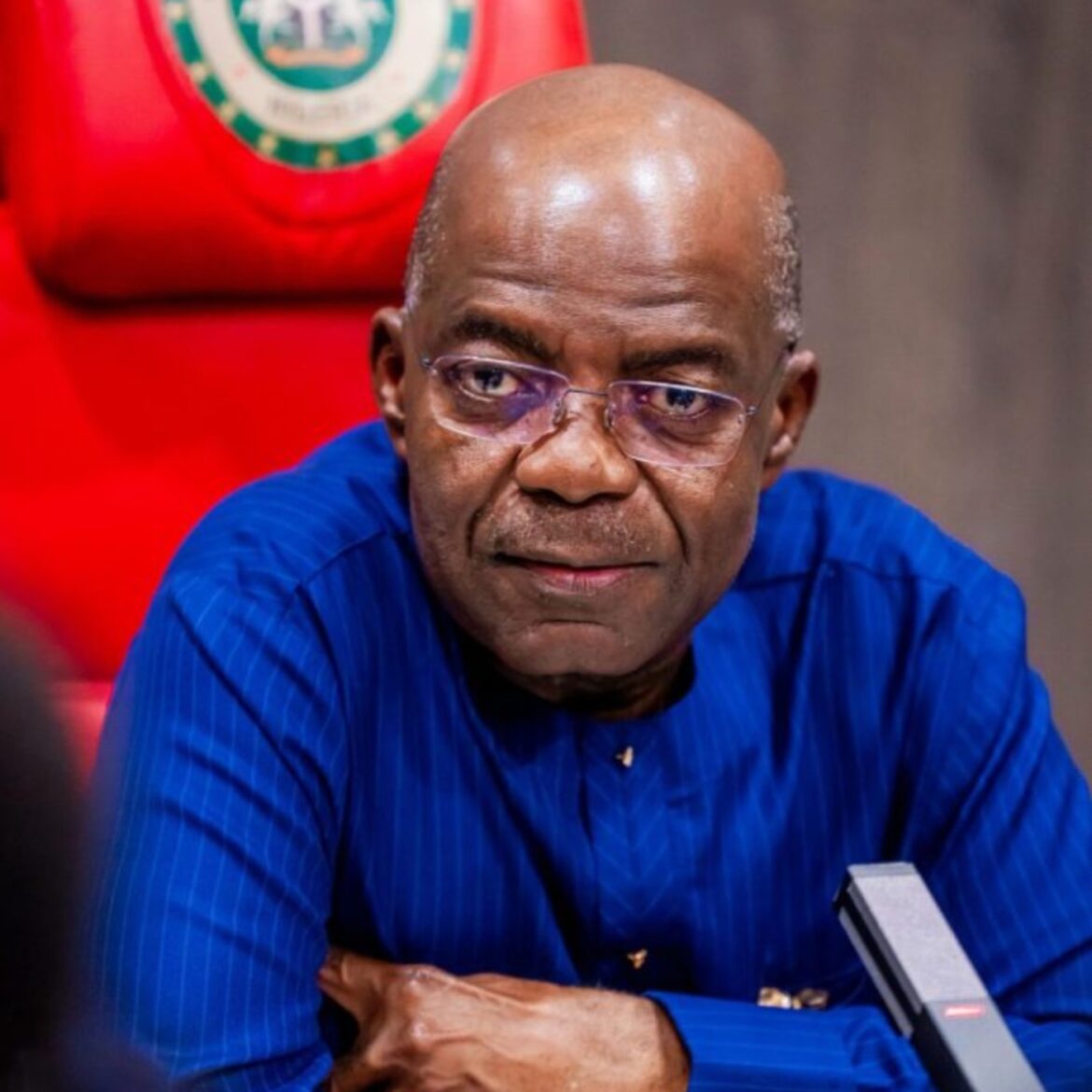
Last Month, Governor Alex Otti marked three years in office. Yet beyond the speeches, celebrations and ceremonial handshakes, the anniversary week offered something more important: a chance to measure governance through evidence rather than rhetoric.
For several days, the Governor moved across different parts of the State commissioning roads, unveiling a modern transport terminal, flagging off water projects, launching a technology-driven business grant, opening healthcare facilities and reviewing the performance of government ministries and agencies.
Taken individually, these events appeared routine. Taken together, however, they revealed something deeper about the direction of the administration.
What many people saw were projects.
What the anniversary week revealed was a pattern.
First, it showed a government focused on rebuilding foundational infrastructure. From Abia south to Abia North to Abia Central, roads dominated the week’s activities. New roads were commissioned, strategic routes were completed and fresh projects were flagged off.
Roads may not generate the excitement of political campaigns, yet they remain one of the clearest indicators of development. They connect communities to markets, schools and healthcare facilities. They reduce travel time, lower transportation costs and create conditions for economic activity. In the same way, the ongoing effort to decongest Aba through projects such as the Ring Road reflects a broader vision of urban renewal rather than isolated construction.
Healthcare provided another important insight.
The reconstruction of the historic Okpuala Ngwa General Hospital and the commissioning of upgraded health facilities underscored an understanding that development is ultimately about people. While roads move goods and services, hospitals save lives. More importantly, restoring institutions that once served communities but later fell into neglect sends a signal that government is paying attention to sectors that directly affect human wellbeing.
Likewise, the commissioning of the Prof. Nnenna Oti Central Bus Terminal pointed to an administration attempting to modernise public infrastructure. Beyond its impressive structure, the terminal reflects a shift from temporary solutions to long-term systems designed to support mobility, commerce and urban growth. The decision to honour Professor Nnenna Oti also introduced another dimension to the project: the celebration of integrity and courage in public service.
Furthermore, the launch of the ₦306 million NKATA Tech-Enabling Business Grant suggested that the administration’s vision extends beyond bricks and mortar. In an era increasingly driven by innovation and technology, support for entrepreneurs and small businesses represents an investment in future economic growth. Rather than focusing solely on consumption, the initiative seeks to encourage productivity, enterprise and job creation.
The same philosophy was evident in the flag-off of the Ubakala and Ariaria Water Schemes. Water projects rarely attract the attention given to highways or major buildings. Nevertheless, access to clean and safe water remains one of the most consequential investments any government can make. Public health, productivity and quality of life are all linked to it.
At the same time, the anniversary week highlighted reforms that are less visible but equally significant. Presentations made during the special Executive Council session pointed to ongoing efforts in power, education, land administration, technology and public service delivery. Unlike physical projects, these reforms may not attract immediate applause. Yet they often determine whether development can be sustained over time.
Expectedly, challenges remain. No administration can realistically solve every problem within three years, and many communities still look forward to additional projects and opportunities. However, governance is not judged solely by the challenges that remain; it is also judged by the direction a government is heading and the evidence available to support its claims.
That, perhaps, was the central message of the anniversary week.
Beyond the ceremonies, it presented a picture of an administration seeking to rebuild infrastructure, strengthen institutions and expand opportunities across multiple sectors.
One fact remains difficult to ignore: the anniversary week gave Abians something concrete to evaluate.
Not promises.
Not projections.
Not campaign slogans.
But roads, hospitals, transport infrastructure, water projects, business support initiatives and reforms already taking shape across the State.
Three years after taking office, Governor Alex Otti used his anniversary week not merely to celebrate a milestone but to present a statement of direction. The administration wants to be judged by what it is building rather than by what it says.