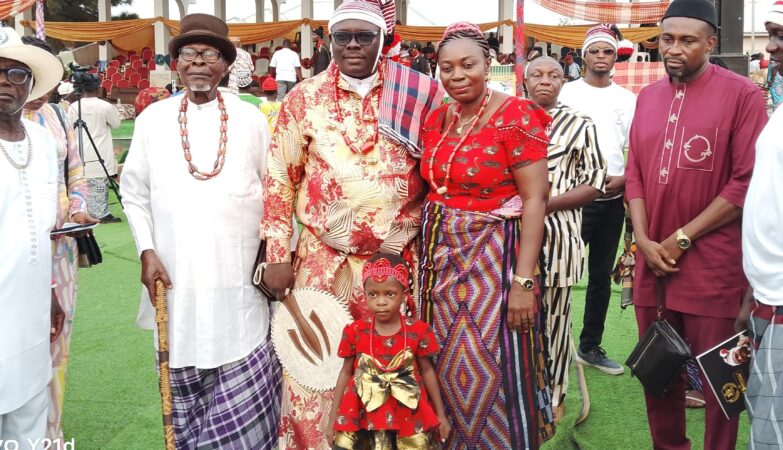
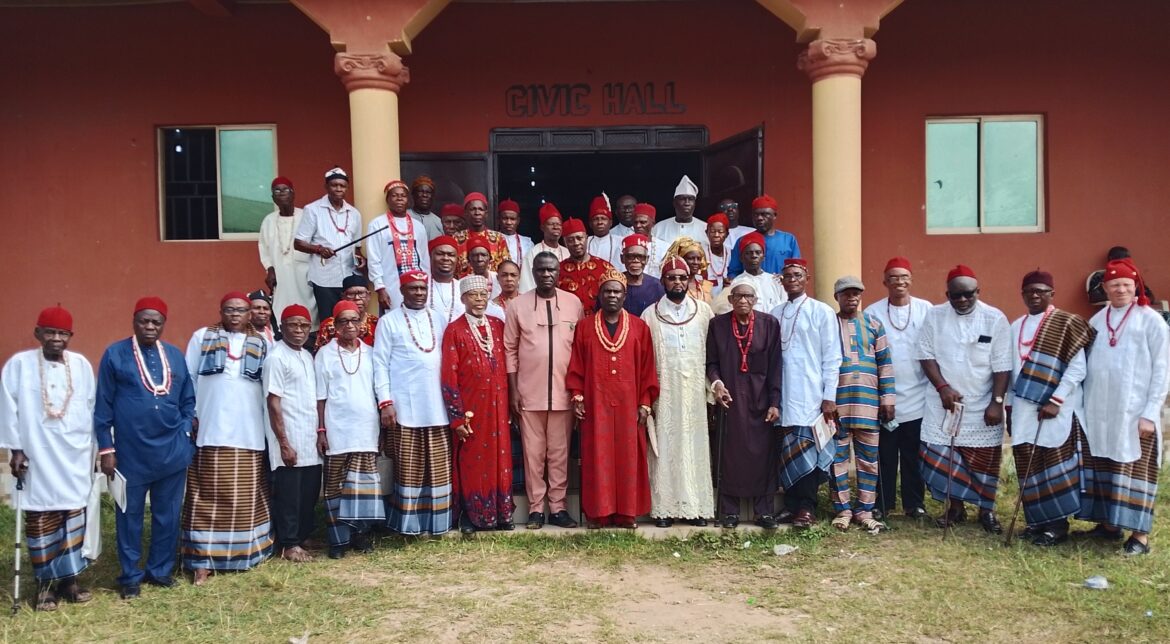
Traditional and title chiefs in Olokoro have been advised to support traditional rulers and government in driving sustainable development across their communities.
The Chairman of Olokoro Council of Traditional Rulers, Eze Boniface .I Izuogu, gave the advice on Saturday December 29th 2025 during a workshop on the role of “Olokoro Traditional and Title Chiefs in Community Development,” organised by the Olokoro Council of Traditional and Title Chiefs at the Olokoro Civic Hall, Ahiaukwu.
Declaring the workshop open, Eze Izuogu commended the organisers and participants, noting that the conferment of titles was meant to strengthen governance and leadership at the grassroots. He charged title holders, both men and women, to conduct themselves with discipline, good character, and exemplary behaviour.
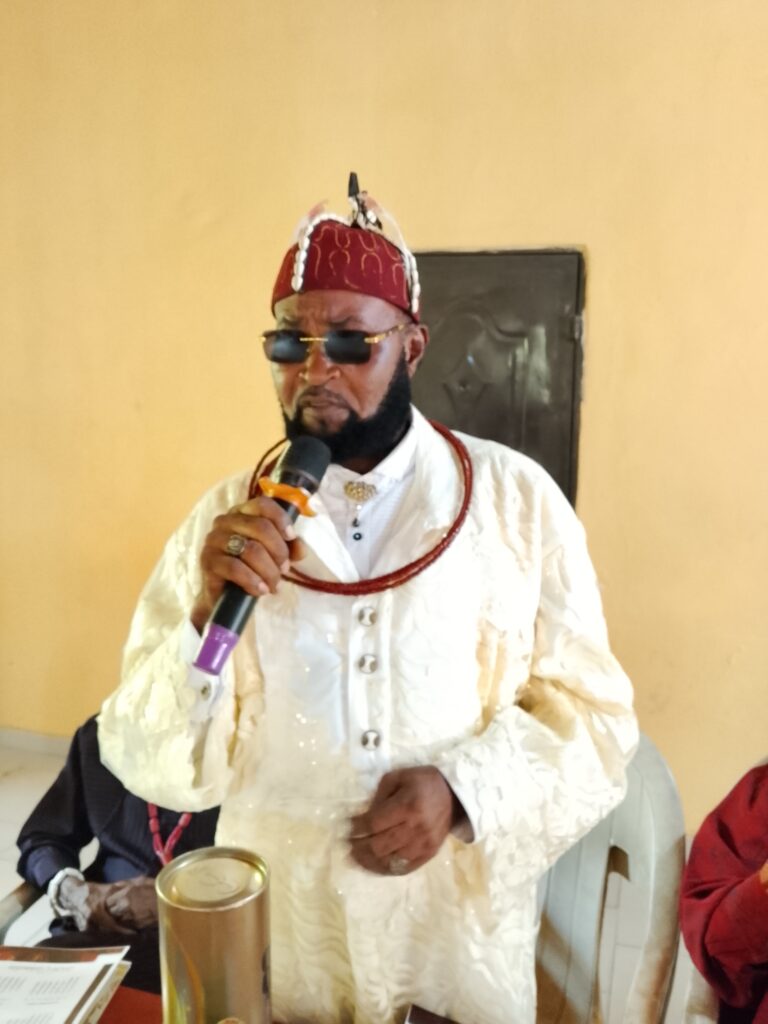
Eze Izuogu described Olokoro traditional rulers as unique and urged title chiefs to emulate such standards. He further encouraged the institution of disciplinary measures against erring chiefs and advised that any form of misconduct should be promptly reported to the council.
The Mayor of Umuahia South Local Government Area, Engineer Chinedu Enwereuzo, represented by Hon. Ukachi Chris Ujogu, appreciated the Olokoro Council of Traditional and Title Chiefs for the honour accorded to him. He called on parents to discourage the use of foreign languages when communicating with their children, stressing the importance of preserving indigenous language and culture.
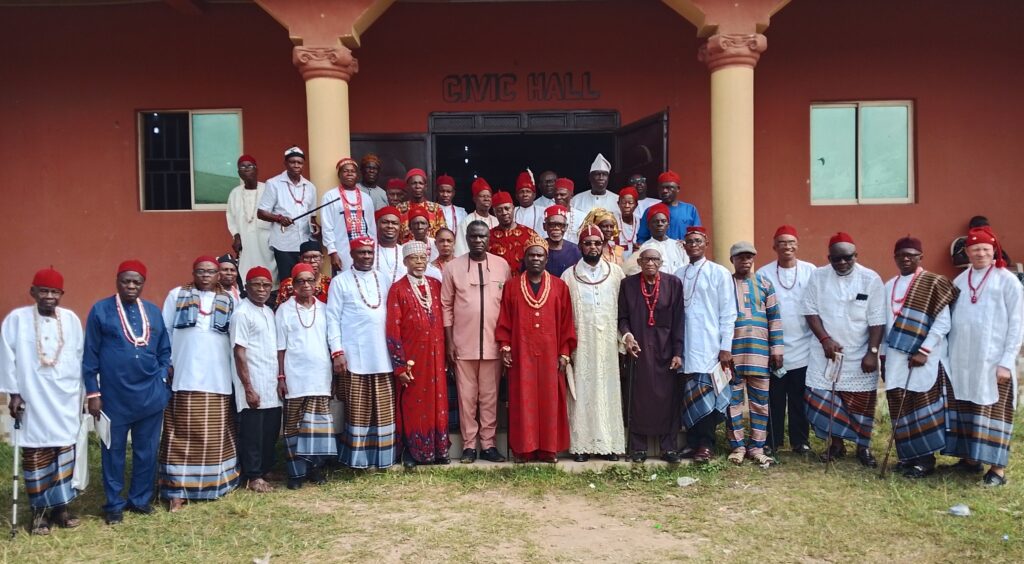
Chairman of the occasion and Executive Director of Uvuoma Microfinance Bank, Chief Sir Ugochukwu Ajuzie, described the workshop as timely and a welcome development. He urged that such engagements be sustained, noting that they would serve as reference points for pursuing meaningful and positive projects in Olokoro.
In a goodwill message presented by Mazi Chiemeka Onyeanulam on behalf of the Elders’ Council, title chiefs were urged to sustain the traditions of Olokoro. He explained that community development entails positive progress and encouraged the use of farm produce, especially yams, during the New Yam Festival. He further advised Olokoro people to embrace farming as a key aspect of their heritage.
Mazi Onyeanulam also called on parents to give their children Igbo names and promote the consumption of native foods, stressing that such practices come with enormous cultural and social benefits.
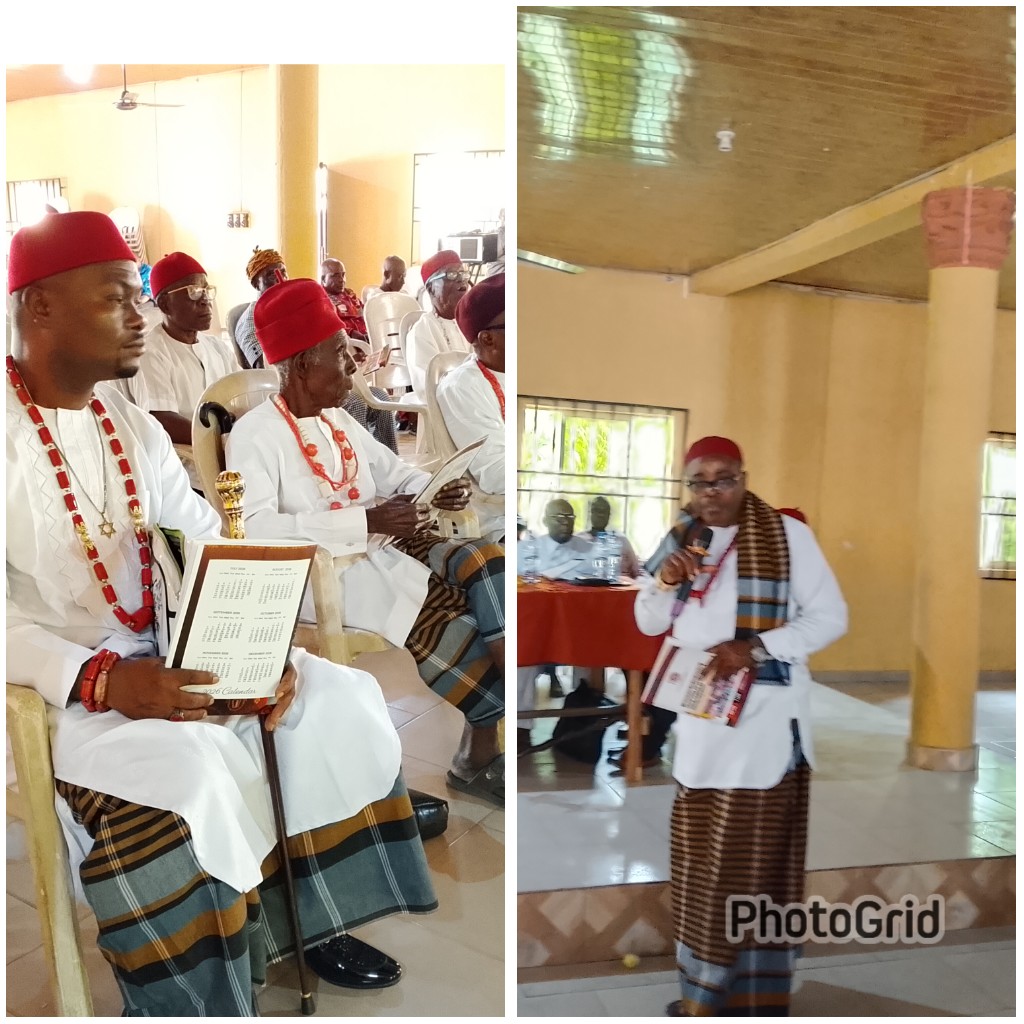
Speaking for the Olokoro Progressive Association (OPA), Mazi Uhiara Ifeanyichukwu noted that Olokoro people have continued to uphold their traditions and culture. He observed that Olokoro existed with its customs long before the advent of Christianity and warned against allowing such traditions to go into extinction, calling for regular cultural gatherings.
The Chairman of Okonko Olokoro, Hon. Oluo Ifeanyichukwu, blamed the decline in traditional practices on collective neglect. He lamented the condemnation of the use of palm fronds (Onu), traditionally meant for injunctions, in favour of foreign values.
Delivering a paper titled “Economic and Cultural Development of Olokoro: The Role of Traditional Title Chiefs,” Professor Ike Nwachukwu gave a historical overview and analysis of Olokoro land. He identified Olokoro’s strengths as abundant human capital capable of sponsoring projects, and its strategic location hosting institutions such as the National Cereals Research Institute, Amakama, and the National Root Crops Research Institute, Umudike.
Professor Nwachukwu also highlighted challenges including local insecurity, youth restiveness, underutilised land resources, and inadequate infrastructure. He stressed that stagnation must be addressed, as Olokoro is well positioned for a secure and prosperous future.
He disclosed long-term development plans, including a medical oxygen project in Amizi, a garment factory in Okwu, a computer village in Agbama, as well as proposed agro-production, poultry, and fish farming projects in Amakama.
The professor recommended that traditional and title chiefs clearly define their goals, emphasise “Olokoro first,” and work with the Olokoro Clan Development Union to rewrite an acceptable history of the clan. He also proposed the formal launch of an economic development plan for Olokoro.
He further urged Olokoro people to engage in purposeful politics that would benefit the entire clan rather than individuals, warning against politics capable of destroying the community. He called for concrete actions towards development.
Speaking on “Integrity and Expectations from an Olokoro Chief: Fostering Peace and Community Development in the 17 Autonomous Communities,” Professor Chibueze Vincent Onwe advised traditional heads to always uphold the truth. He said title chiefs should not fear criticism when doing the right thing, as younger generations look up to them for guidance.
Professor Onwe noted that truth attracts peace and development and urged traditional rulers to ensure proper screening before conferring titles on individuals.
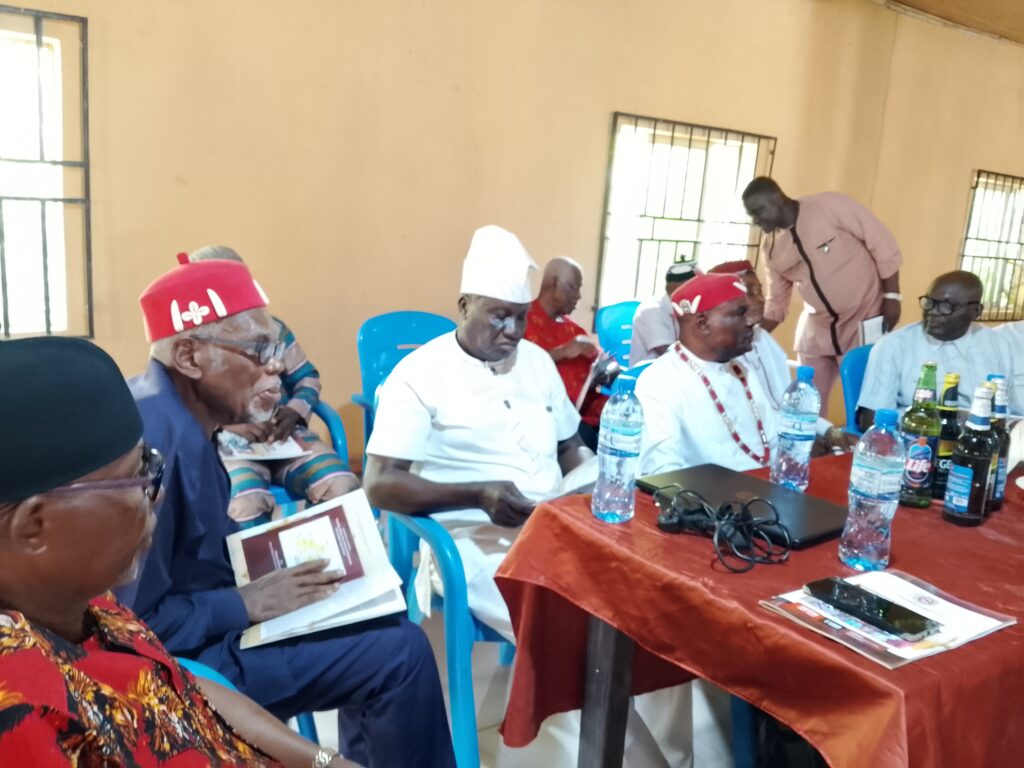
Professor Martin Ikechukwu Ifeanacho, in his presentation on “Traditional Rulers and Community Development,” charged title chiefs to embrace rational action. He described traditional rulers as custodians of culture and condemned practices where rulers abandon tradition for unwholesome activities.
He advised traditional rulers to shun politics, urged the inclusion of titled women in community affairs, and encouraged leaders to always place the interest of Olokoro first to promote overall development.
The workshop featured an interactive question-and-answer session. The Chairman of the Organising Committee, Chief Innocent Onyekwere, explained that the workshop aimed to generate ideas on how title chiefs could contribute more effectively to the development of Olokoro clan.
He listed the objectives of the workshop to include bringing together traditional and titled chiefs from the seventeen autonomous communities of Olokoro, educating them on peace-building, supporting traditional rulers in improving community security, and assisting President Generals and community chairmen in driving sustainable development across Olokoro.