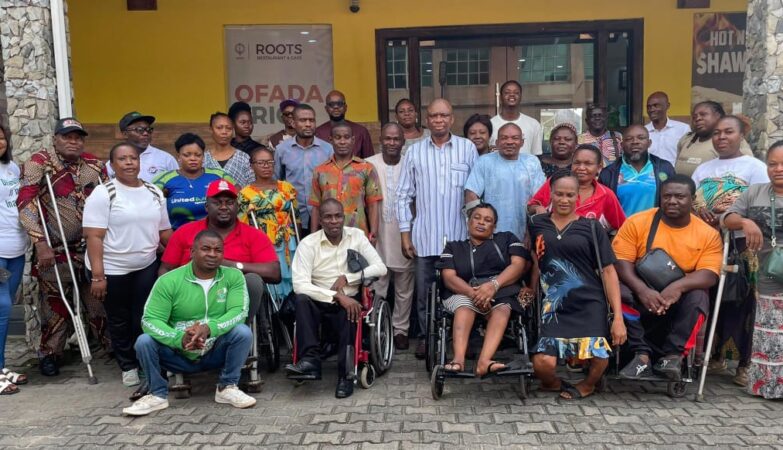
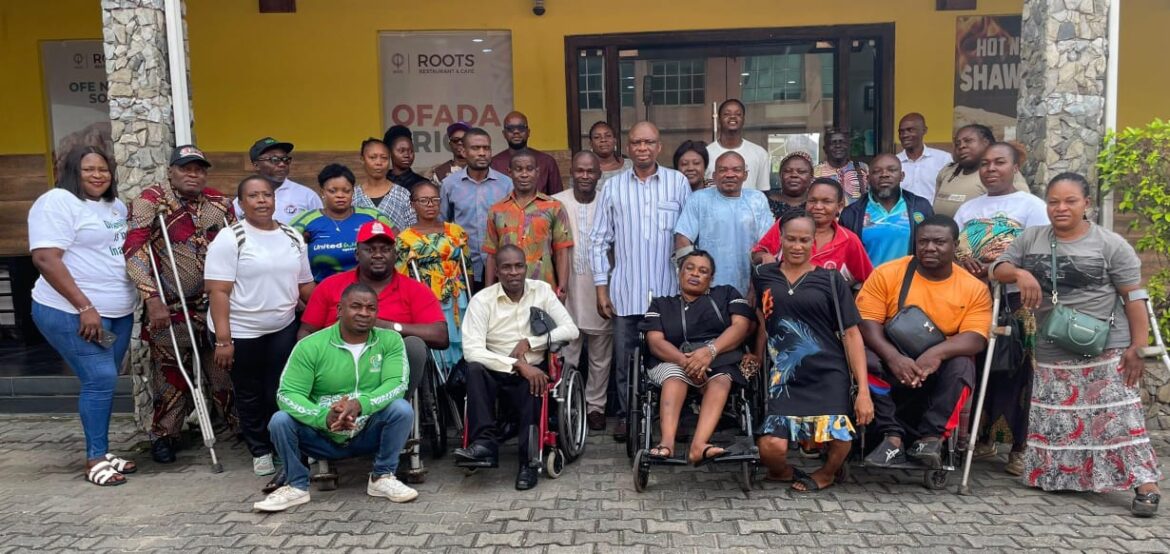
The Chairman of the Abia State Commission for the Welfare of Persons with Disabilities, Dr. David Anyaele, has said that employing persons with disabilities in the civil service is not an act of charity but a recognition of their qualifications, abilities and capacity to contribute meaningfully to society.
Dr. Anyaele stated this during an interactive meeting with persons with disabilities working in the Abia State Civil Service in Umuahia.
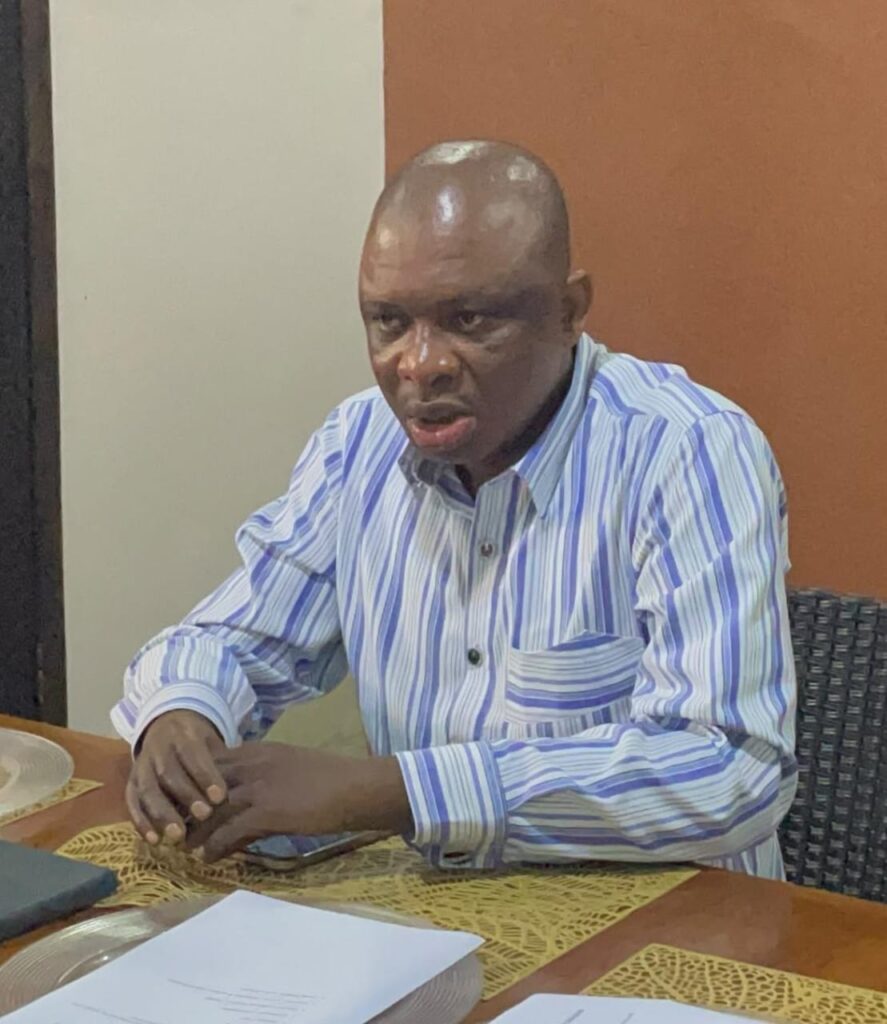
He explained that the meeting was organised to understand the challenges facing civil servants with disabilities, particularly their demands for an extension of years of service, restoration of disability allowances and provision of reasonable workplace accommodations.
According to him, the engagement would enable the Commission to identify issues affecting workers with disabilities and document them for possible policy interventions.
He said the Commission was particularly interested in understanding what had worked and the challenges still confronting persons with disabilities in the state civil service.
Dr. Anyaele noted that the Abia State Disability Law, the Discrimination Against Persons with Disabilities (Prohibition) Act and the United Nations Convention on the Rights of Persons with Disabilities all provide for the protection, inclusion and active participation of persons with disabilities in social and economic activities without discrimination.
The Commission Chairman said the administration of Governor Alex Otti was committed to improving the welfare of persons with disabilities through deliberate policies and programmes.
He explained that the Governor’s commitment to disability inclusion was reflected in his 2023 campaign manifesto and the Transition Council policy recommendations.
Dr. Anyaele added that the administration intended to reverse what he described as a long history of unfair treatment of retirees, persons with disabilities and other vulnerable groups by ensuring that their basic needs were met and their dignity protected.
Earlier, the Secretary of the Association of Civil Servants with Disabilities, Mr. Sam Ekeoma, identified institutional, environmental and administrative barriers as major challenges affecting the productivity and effectiveness of workers with disabilities.
He said inaccessible roads and office environments had increased transportation costs for persons with disabilities while also contributing to workplace discrimination.
Ekeoma observed that some managers failed to assign responsibilities to workers with disabilities because of physical accessibility challenges in their workplaces.
He also expressed concern over the non-implementation of statutory salaries, allowances and other benefits provided for persons with disabilities under existing laws.
Clarifying that the situation was largely a result of systemic failure to implement the relevant provisions rather than deliberate denial, he appealed to the Commission to engage the Head of Service and the Local Government Service Commission to ensure that the entitlements of civil servants with disabilities were fully implemented.