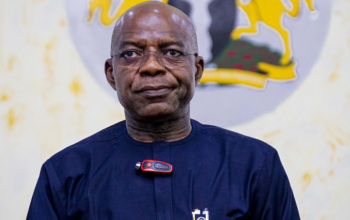
The Chairman of the Abia State Commission for the Welfare of the Disabled Persons, Dr. David O. Anyaele, has charged Persons with Disabilities (PWDs), Civil Society Organisations (CSOs), and Sign Language Interpreters to move from legal recognition to practical action in demanding their rights within the justice system.
Dr. Anyaele gave the charge on Wednesday while delivering the welcome remarks at a one-day capacity-building workshop on “Access to Justice, Leadership, Advocacy Campaigns, and Inclusive Governance,” held at the Sun Heaven Hotels, in Umuahia Abia State.
He stated that although Abia State has recorded significant milestones—such as the enactment of the Abia State Disability Law in 2022 and the establishment of the Commission in 2024 under Governor Dr. Alex Chioma Otti, OFR, persons with disabilities still face severe barriers in accessing justice.
“Imagine a deaf woman who approaches a police station to report a case of violence but cannot communicate effectively because there is no Sign Language Interpreter. Imagine a wheelchair user who is unable to access a courtroom because the building has no ramp,”
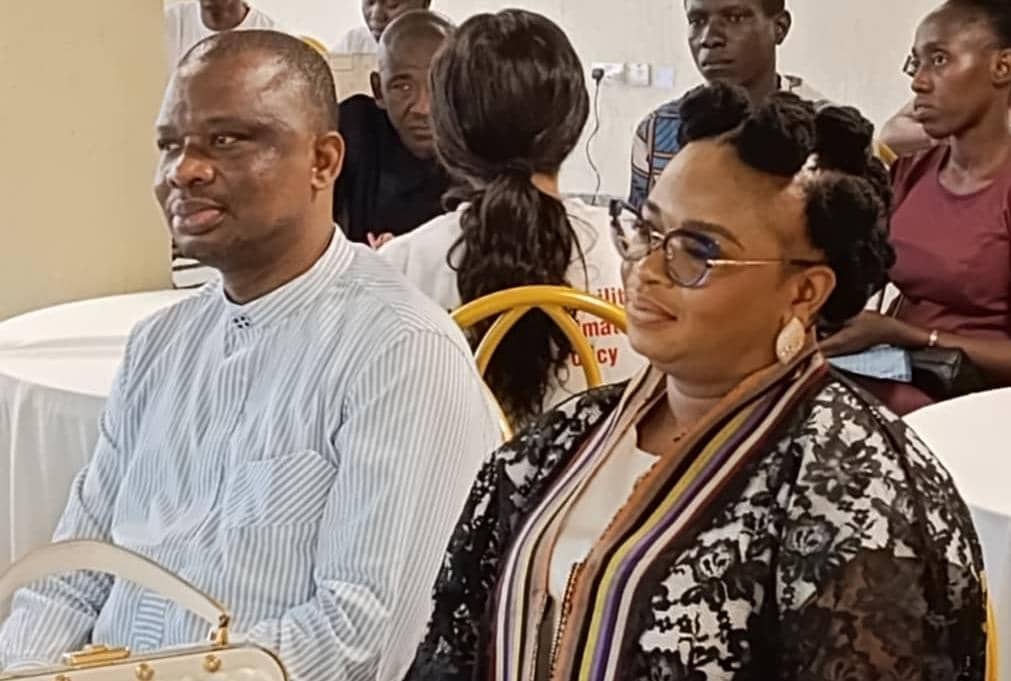
L/R: Dr. David O Anyaele Chairman Abia State Disability Commission and Mrs. Ngozi Felix, Commissioner for Poverty Alleviation and Social Protection, Abia State
He stressed that these are not mere accessibility issues but fundamental barriers to human dignity and the protection of fundamental human rights.
“When persons with disabilities are excluded from the justice system, justice is not accessible. When persons with disabilities are excluded from governance, governance is not inclusive. And when persons with disabilities are excluded from development, that development is unsustainable,” .
Speaking during the event, the Honourable Commissioner for Poverty Alleviation and Social Protection, Mrs. Ngozi Blessing Felix, commended the Commission and its partners for their inclusive approach. She emphasized the critical intersection between social protection, poverty reduction, and access to justice, pledging her ministry’s commitment to ensuring that persons with disabilities are not left behind in the state’s development agenda.
Also speaking, the Abia State Coordinator of International IDEA, Mr. Peter Omenka, explained that the RoLAC Phase II programme operates in seven Nigerian states with a core commitment to ensuring that PWDs, women, children, and survivors of violence can access justice without discrimination. He noted that the workshop was specifically designed to close the existing gaps in rights awareness and professional interpretation, expressing the expectation that participants would leave better equipped to drive disability inclusion in government budgets and community-level governance.
The lead facilitator, Mr. Godwin Unumeri, outlined the principles of effective advocacy, emphasizing that campaigns must be PWD-led, evidence-based, inclusive, accessible, and accountable. He walked participants through the step-by-step process of problem identification and strategic campaign planning.
Reacting to the training, participants described the workshop as a turning point in their advocacy journey. Mrs. Chioma Okafor, a disability cluster leader, said: “For years, we have been advocating based on emotions. Today, we have learned how to build evidence-based cases that institutions cannot ignore. This is a game-changer for our communities.”
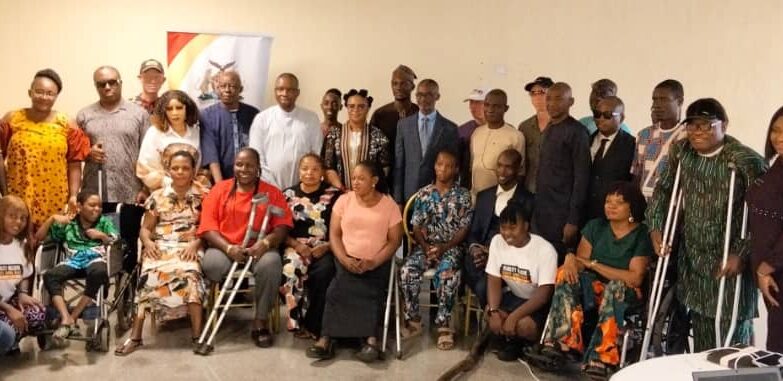
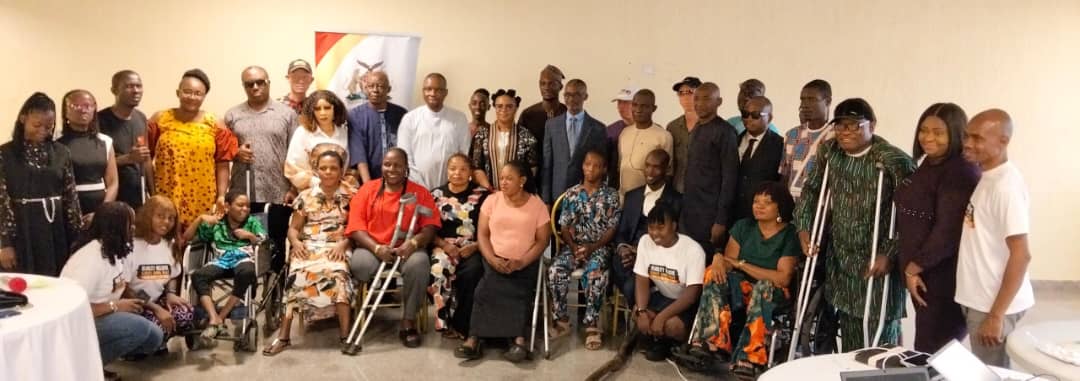
The one-day training, organized by the Abia State Commission for the Welfare of the Disabled Persons in partnership with the Rule of Law and Anti-Corruption (RoLAC) Phase II programme, funded by the European Union (EU) and implemented by the International Institute for Democracy and Electoral Assistance (International IDEA), brought together disability cluster leaders, Organisations of Persons with Disabilities (OPDs), CSOs, and Sign Language interpreters from across the 17 Local Government Areas of Abia State. The workshop also marked a significant step toward building a robust, evidence-based advocacy network to hold institutions accountable and advance inclusive governance in Abia State, with participants pledging to replicate the training within their respective clusters and communities.