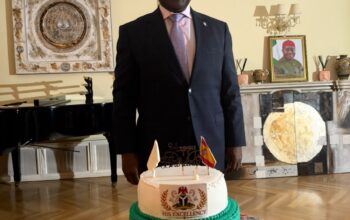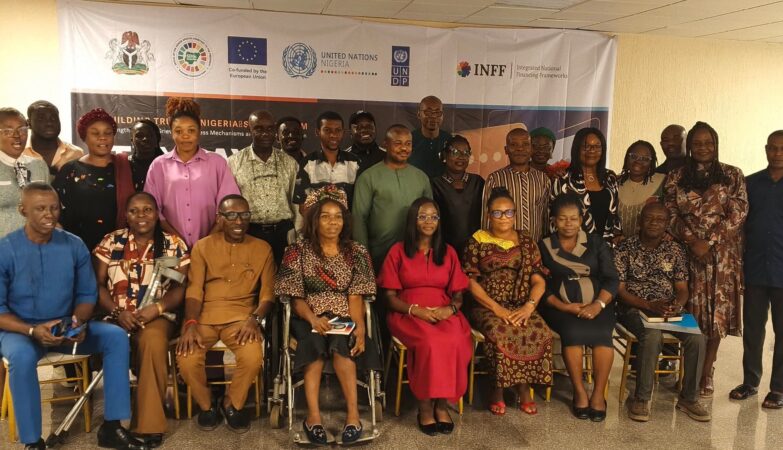
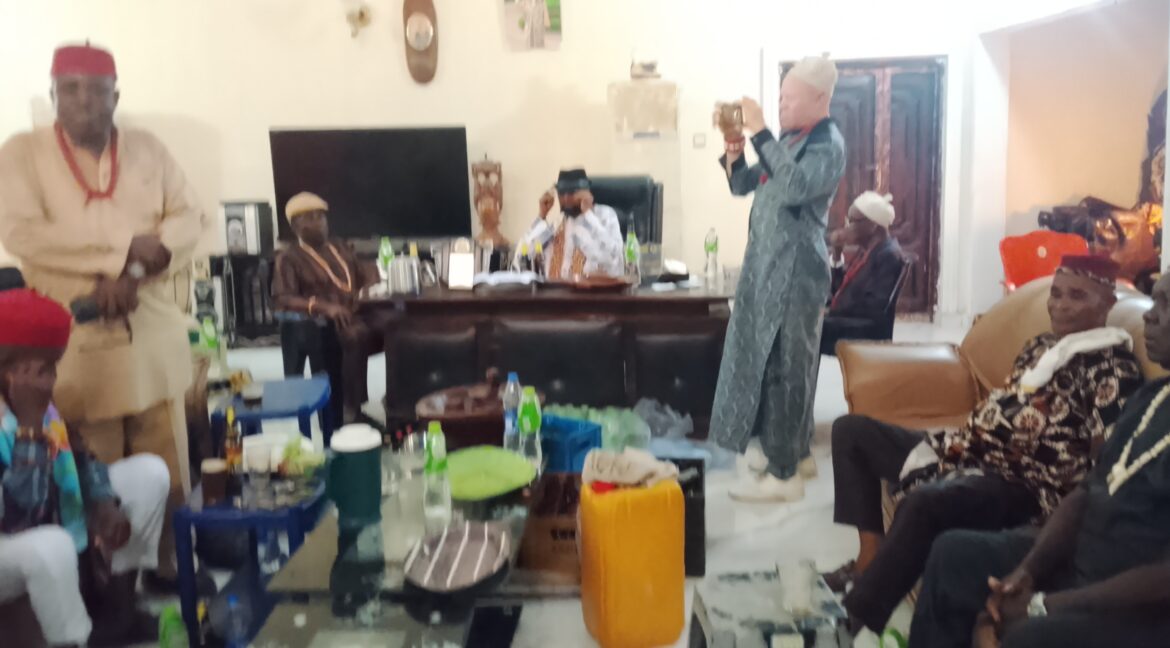
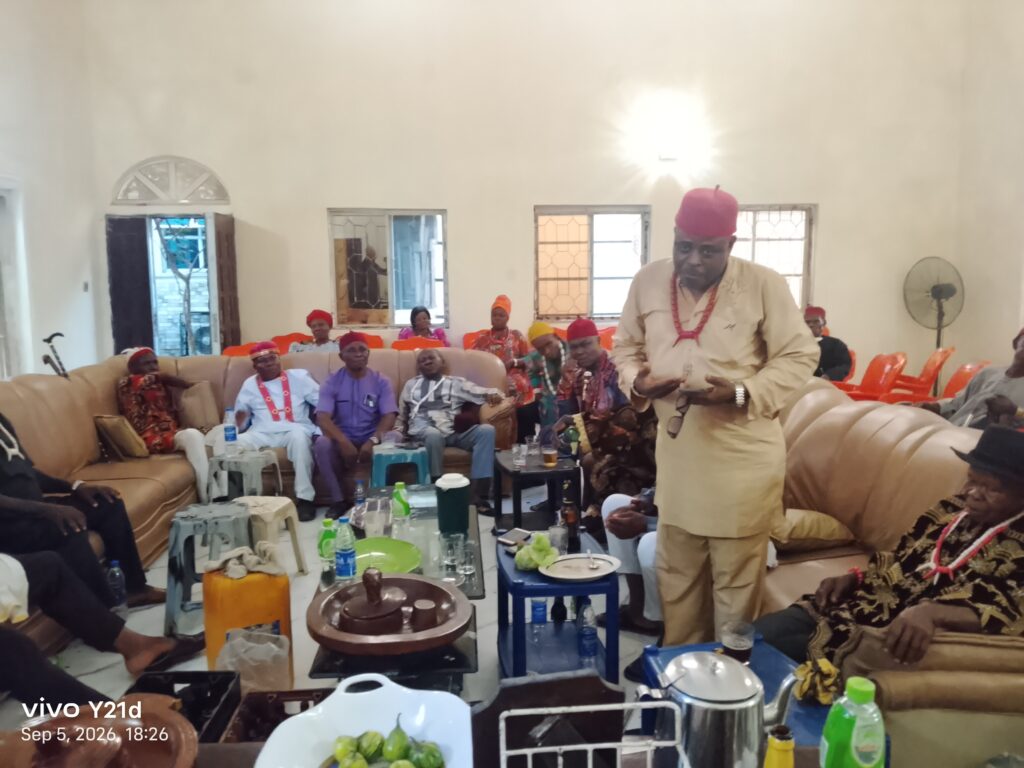
The traditional institution in Olokoro, Umuahia South Local Government Area of Abia State, has received a boost as traditional and title chiefs from the area hosted members of the Olokoro Clan Council of Traditional Rulers in a gathering aimed at promoting unity, preserving cultural heritage and advancing community development.
Chairman of the Olokoro Clan Council of Traditional Rulers, Okwu Mgba 1 of Okwu Autonomous Community, Eze Boniface Izuogu, described the gathering at his palace Okwu Olokoro held on Saturday as “great and beautiful,” expressing satisfaction with the initiative and efforts of the chiefs to bring the traditional institution together.
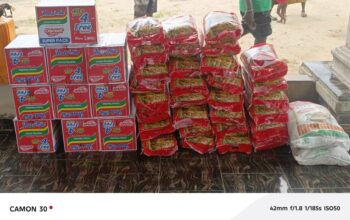
He commended the chiefs for committing their personal resources to provide food, drinks, kolanuts and other items for the traditional rulers, describing the gesture as a demonstration of their respect and appreciation for the traditional institution.
Eze Izuogu explained that the Olokoro Clan Council of Traditional Rulers does not confer chieftaincy titles on individuals simply because they are wealthy, but considers people who have distinguished themselves through meaningful contributions to their communities and the clan.
He said the conduct and disposition of the chiefs during the gathering showed that they were people of integrity, intelligence and diverse professional backgrounds.
The traditional ruler added that their willingness to organise and sponsor the gathering was a clear indication that they valued the traditional institution and were committed to maintaining a strong relationship with traditional rulers.
He prayed for long life, wisdom, strength and prosperity for the chiefs, urging them to sustain their contributions towards the growth and welfare of the people.
Eze Izuogu also commended some sons of Olokoro who have made assisting the less privileged a regular commitment, noting that some individuals provide financial support to vulnerable members of society on a monthly basis.
He disclosed that one of such individuals spends more than N10 million every month to support the less privileged, describing such acts of generosity as worthy examples for others to emulate.
The chairman prayed that God would continue to strengthen and provide for the chiefs, while encouraging them to remain committed to charity, community service and programmes that promote the welfare of the people.
Speaking during the gathering, His Royal Majesty, Eze G.C. Onwaka, Towe I of Umutowe Autonomous Community, former Chairman of the Umuahia South Council of Traditional Rulers and immediate past Deputy Chairman of the Abia State Council of Traditional Rulers, said the meeting was initiated by the traditional and title chiefs as a platform to interact with and appreciate the traditional institution.
According to him, the chiefs, who received their titles from the Olokoro traditional institution, approached the council with the idea of hosting the traditional rulers to exchange ideas, appreciate them and strengthen their relationship.
He described the event as the first of its kind in the history of Olokoro, stressing that everything provided for the gathering was sponsored by the chiefs themselves.
Eze Onwaka said the initiative was encouraging because it showed that the chiefs believed in the work of the traditional institution and were prepared to work closely with traditional rulers to promote the development of the community.
He urged sons and daughters of Olokoro to embrace traditions that encourage development, emphasising the importance of unity, consultation and exchange of ideas among the people.
He noted that nobody was an epitome of knowledge, adding that people could learn from one another, especially in matters concerning cultural practices, traditions and community development.
The traditional ruler further stressed the need for respect for traditional leadership, saying such respect would help ensure that cultural knowledge and vital information were transmitted from the higher traditional institutions down the line.
He said the chiefs had shown that they understood the importance of working with the traditional leadership in Olokoro, adding that they had consistently contributed to efforts aimed at strengthening the traditional institution.
Onwaka described Olokoro as a community with a rich cultural heritage, noting that its cultural practices were prominent not only in Umuahia South but also beyond the local government area.
He cited cultural activities such as Ogobi in Umutowe, Abonkwu and other traditional events as examples of practices through which different communities continue to preserve their heritage.
According to him, the continued survival of such traditions requires unity, cooperation and mutual support among the various communities and traditional institutions.
“We have to support each other so that this thing can be transmitted along the ladder of the line,” he said, stressing that interactions between traditional rulers and chiefs provide opportunities for learning, exchange of ideas and the development of culture and tradition.
The traditional ruler of Umuoparaozara Autonomous Community, His Royal Highness Eze Sir S.N. Ubani, Ezeukwu I of Olokoro, among other traditional personalities, graced the occasion.
Also speaking, the Ikwubuike II of Amaukwa Umuoparaozara Autonomous Community, Olokoro, Chief Dr. Innocent Nwokoma Onyekwere, described himself as a humble servant to the Olokoro Council of Traditional and Title Chiefs, noting that the gathering was part of efforts by the leadership to promote unity and togetherness among members.
Chief Onyekwere explained that August traditionally used to be the period when the people celebrated their New Year Festival. He said that during the period, elders in the autonomous communities would first come together on the first day to perform the traditional yam-slicing ceremony.
He explained that the ceremony, known as Afoukwu, was important because the New Year celebration could not commence without the traditional yam-slicing exercise, which gave the people the go-ahead to begin their respective celebrations.
According to him, after the general ceremony, each autonomous community would proceed to celebrate its own New Year Festival according to its traditions.
Onyekwere said the gathering held on September 5, 2026, was organised by the Traditional and Title Chiefs to celebrate with the traditional rulers of Olokoro.
He said one of the major purposes of the gathering was to sit with members of the Olokoro Traditional Council, known as Ndi Eze Olokoro, and thank God for the successful celebration of the 2026 New Year Festival.
He explained that as the first week of September marked the end of the 2026 New Year Festival, the chiefs also used the occasion to celebrate their elders, including the traditional rulers, for their steadfastness in maintaining peace, unity, progress and oneness in Olokoro.
Onyekwere maintained that the elders of Olokoro were unique compared to those in other clans, noting that their efforts towards maintaining peace and unity deserved to be recognised and appreciated.
He said this informed the decision of the traditional and title chiefs to organise the celebration, adding that the event was not limited to members of the Traditional Chiefs or Title Chiefs alone.
According to him, the Oladiya/Obidiya, meaning wives of traditional rulers and title chiefs, also participated in the celebration, making it a broader gathering of traditional families.
Onyekwere said they came together to thank God for a successful 2026 New Year Festival and pray for the traditional rulers, chiefs and their families to witness another successful celebration in 2027.
He described the gathering as both a thanksgiving and an occasion to celebrate the elders for their contributions to the peace, progress and unity of Olokoro.
Also speaking, one of the wives of the council, Ugwudiya Koacher Chioma Edith, said the wives of traditional rulers and title chiefs also had a role and honour within the traditional institution.
Edith said their husbands had continued to honour them by showing love and providing support, adding that as wives, they remained under the traditional leadership represented by their husbands and must therefore respect them.
She explained that because their husbands brought them into the traditional institution, they had a responsibility to respect and support them in whatever they did.
However, she advised women in Olokoro to be industrious and engage in productive activities that could help support their husbands and families.
Edith noted that although some husbands sometimes advised their wives not to work and to remain as housewives, such an arrangement could be difficult in the present economic situation.
She observed that the Nigerian economy had become increasingly challenging, stressing that the high cost of living and difficult economic conditions had made it necessary for families to explore legitimate ways of improving their financial wellbeing.
She therefore urged women to be hardworking, industrious and focused on whatever legitimate businesses or activities they engage in, saying their efforts would help strengthen their families and contribute to the development of the community.