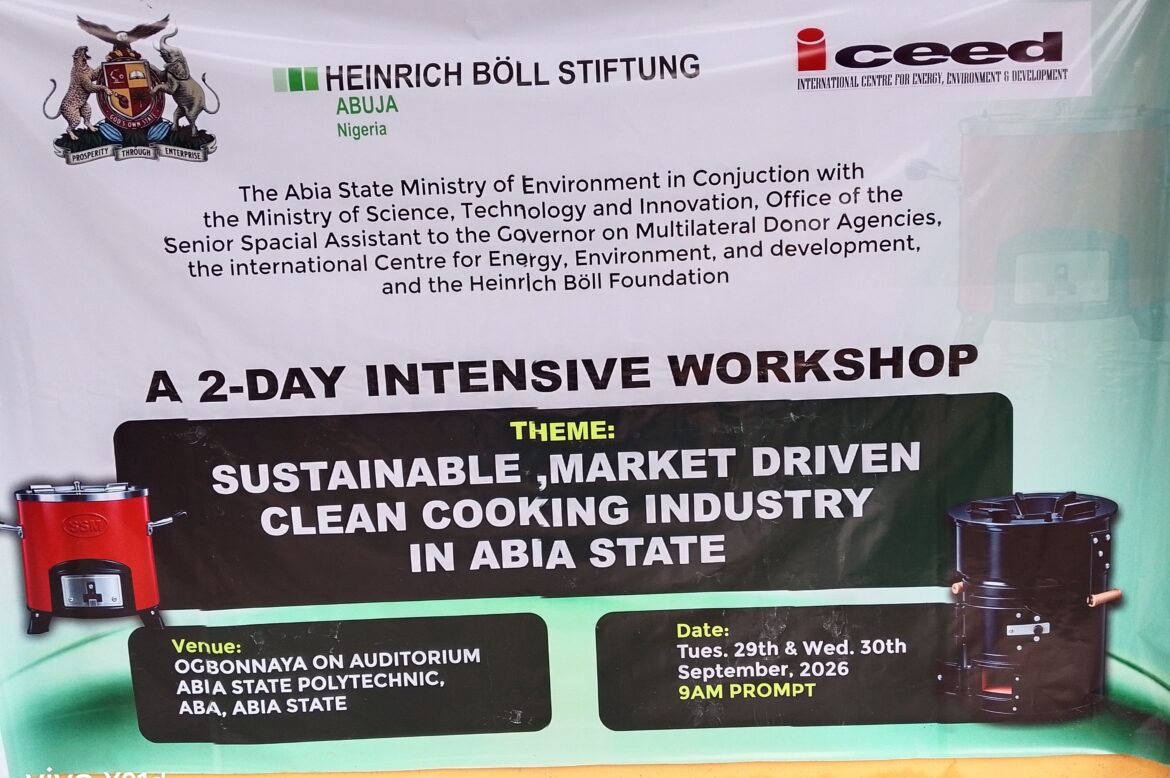
Abia State Government has called on investors and development partners to take advantage of the state’s emerging clean cooking market, describing it as an opportunity to create green businesses while tackling climate change.
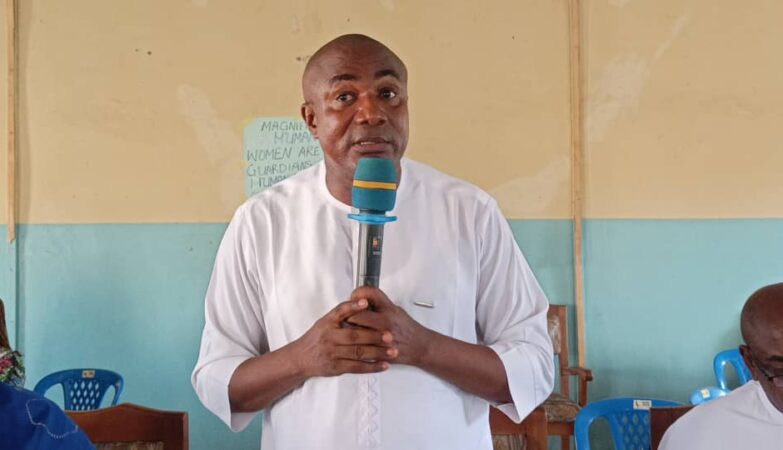
Commissioner for Environment, Philemon Ogbonna, stated this on Tuesday at a Sustainable Market-Driven Clean Cooking Industry Workshop held at Ogbonnaya Onu Polytechnic, Abia State.
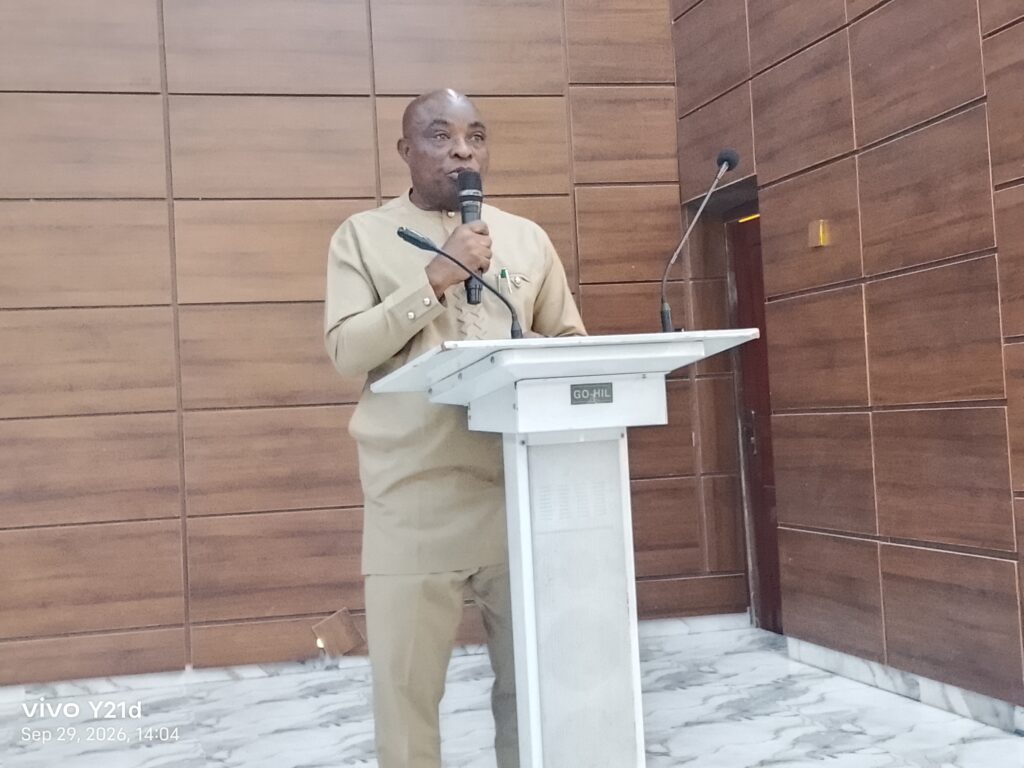
Ogbonna said the state, with technical support from the International Centre for Energy, Environment and Development, ISEED, launched its Clean Cooking Plan earlier this year, describing it as the first of its kind in the Southeast.
He said the workshop was aimed at moving beyond policy development to practical implementation and creating business opportunities around clean cooking.
The commissioner said traditional cooking methods, particularly the widespread use of firewood, contribute to household air pollution, deforestation and greenhouse gas emissions, with consequences for public health, environmental sustainability and climate resilience.
According to him, the Abia State Government under Governor Alex Otti has introduced several climate and clean-energy initiatives, including clean energy systems for smart schools, health centres, transport terminals and government offices.
He added that the government was also undertaking forest protection and ecological restoration, erosion adaptation projects, electric mass transit initiatives and the delineation of blue forest reserves for conversion into a national park.
Ogbonna said the state had further strengthened its climate governance through the development of the Abia State Climate Change Policy and Implementation Plan, as well as policies on renewable energy equipment waste management and solar off-grid energy.
He said the clean cooking initiative would help Abia contribute to Nigeria’s climate commitments under the Nationally Determined Contribution, NDC 3.0, while creating innovative green economic opportunities.
The commissioner commended ISEED for its partnership in developing and launching the Clean Cooking Plan, as well as the support of the Boerl Foundation.
He urged investors, businesses and development partners to take advantage of Abia’s commercial ecosystem, saying the state has the population, market, political will and technical capacity required to develop a viable clean cooking industry.
Ogbonna also called on participants to network, develop business opportunities and work with the government to implement the Clean Cooking Plan.
He declared the workshop open on behalf of Governor Alex Otti.
In his remark, Abia State Commissioner for Science, Technology and Innovation, David Kalu, said the state government’s 25-year development plan was underpinned by environmentally friendly policies.
Kalu said the governor had consistently emphasized the importance of environmental sustainability, noting that the environment was central to the implementation of the 25-year plan.
He commended the Ministry of Environment for making progress with the clean cooking initiative, recalling that stakeholders had gathered months earlier to launch the clean cooking policy.
The commissioner said the development showed that the state was moving from policy discussions to practical implementation.
He urged stakeholders to work together to establish a viable clean cooking industry in Abia, noting that the state was already known for its industrious marketplace and strong entrepreneurial base.
Kalu said the development of a clean cooking industry would further strengthen Abia’s economy while supporting environmental sustainability.
He thanked the participants for attending the workshop and expressed optimism that the meeting would produce practical results for the state.
Presenting a lecture, the Executive Director of the International Centre for Energy and Environment, Ewah Eleri, said the clean cooking sector could create billions of naira in business opportunities in Aba, Abia State, while helping to reduce deaths and environmental pollution caused by cooking with traditional fuels.
According to him, Nigeria has about 40 million households in need of clean cooking solutions, describing Aba as strategically positioned to serve the growing market.
He identified cooking gas, electricity, solid biomass and emerging energy sources such as biogas as some of the clean cooking solutions that could be developed and produced locally.
According to the organisation, Nigeria loses over 100,000 lives annually to smoke from cooking, making household air pollution from cooking a major public health concern.
Eleri also highlighted the burden of collecting firewood, particularly on women, saying the transition to clean cooking would reduce the drudgery and inconvenience associated with traditional cooking methods.
He said Aba has the entrepreneurs, industries and supply chains needed to participate in the production, distribution and retailing of clean cooking technologies.
Eleri said the organisation was in Aba to move beyond discussions with government and begin engaging the private sector, including the Chamber of Commerce and various industrial clusters.
He explained that a consultant had conducted a preliminary assessment of clean cooking business opportunities in Aba, with further engagements planned with the business community and relevant ministries to develop practical strategies and incentives for investment in the sector.
He added that the objective was to establish supply chains covering the production, distribution and retailing of clean cooking solutions, stressing that most of the technologies required could be produced locally rather than imported.
A consultant to the ICF, Mrs Chioma, was subsequently invited to present the preliminary assessment of the business opportunities in Aba, which she delivered virtually.
In her lecture, Dr Lady Eberechi Cecilia from Michael Okpara University of Agriculture, Umudike, said smoke from traditional cooking methods was contributing to health challenges in communities and advocated the adoption of clean cooking.
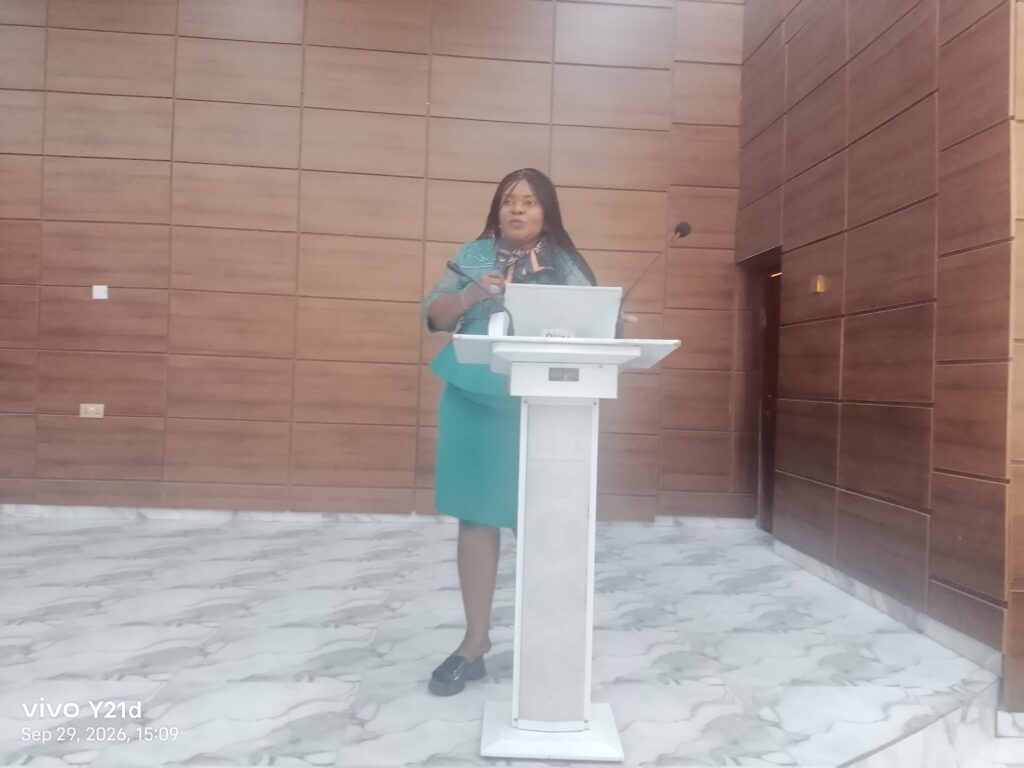
She emphasized that clean cooking saves time and reduces the burden associated with traditional cooking methods.
The lecturer also said the adoption of clean cooking could help reduce deforestation caused by the continuous demand for firewood.
Dr Cecilia said prolonged exposure to firewood smoke could cause long-lasting diseases, urging the public to embrace new approaches to cooking.
She said clean cooking was safer and more sustainable, while also creating opportunities for market revenue, long-term funding and economic development.
According to her, the use of clean cooking stoves could help prevent illnesses associated with exposure to smoke from traditional cooking methods.
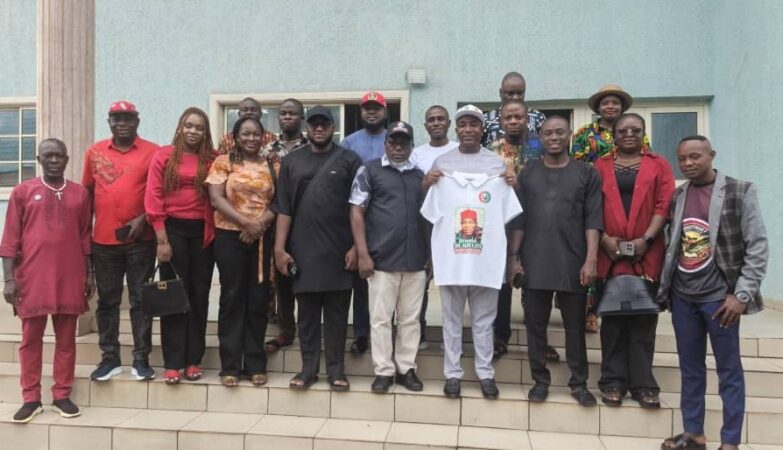
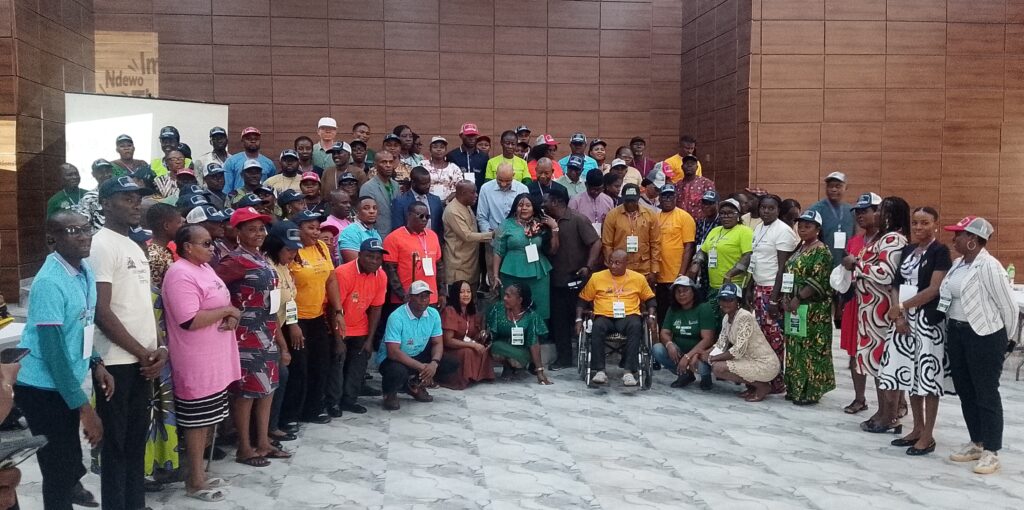
The two-day workshop, held on Wednesday and Thursday, attracted stakeholders from different sectors, including persons with disabilities.